Prostate cancer is one of the most common cancers in men. Its most important feature is that it causes no symptoms at an early stage. That is why early diagnosis relies on a simple blood test done without waiting for complaints — PSA. However, reading PSA correctly is as important as having the test done.
What is PSA?
PSA (Prostate-Specific Antigen) is a protein produced by prostate tissue and can be measured in the blood. It can rise in many conditions related to the prostate. In other words, PSA gives a valuable "early warning" about prostate health; but on its own it is not a cancer test.
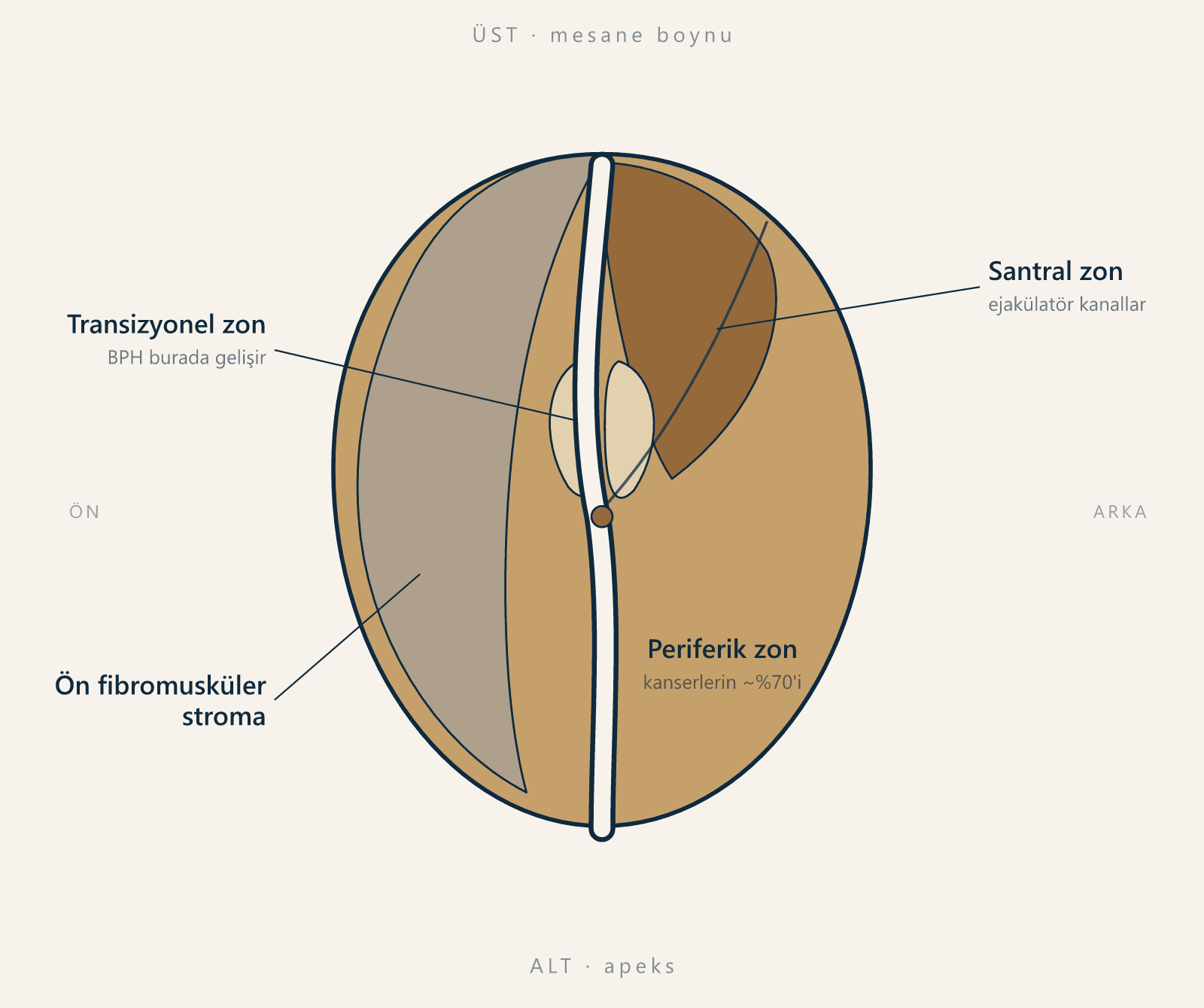
Does a high PSA always mean cancer?
No — and this is the most misunderstood point. PSA can also rise in the following situations:
- Benign prostatic hyperplasia (BPH): As the prostate enlarges with age, PSA may also rise somewhat.
- Prostate inflammation (prostatitis): Infection can raise PSA markedly.
- Recent sexual activity, cycling or certain medical procedures.
That is why a single high PSA value points not to panic but to further assessment. Often a benign cause is found.
At what age should screening start?
The general approach is regular PSA checks from age 50. However, if you have risk factors, this age is brought forward:
- If there is a family history (father, brother) of prostate cancer: age 45
- Earlier in certain inherited gene changes or high-risk groups
The decision to screen and its frequency are personal; it is best to determine the most appropriate plan for you together.
PSA is like an alarm bell: when it rings, the point is not to panic but to look carefully. Often there is no fire.
What comes next if PSA is high?
With a high or suspicious PSA, diagnosis proceeds step by step and unnecessary procedures are avoided:
- Repeat measurement and examination: To rule out temporary causes.
- Multiparametric prostate MRI: It shows suspicious regions and reduces unnecessary biopsies.
- Targeted biopsy if needed: To make a definitive diagnosis and determine the grade of the cancer.
Why is early diagnosis so important?
In prostate cancer confined to the prostate and caught at an early stage, the treatment success rate is very high and long-term survival is quite good. Moreover, early diagnosis makes less invasive options such as active surveillance possible — that is, not every early cancer means immediate surgery. Regular check-ups done without waiting for symptoms both save lives and provide peace of mind.