Urinary incontinence is a condition that is quite common in women and markedly affects quality of life. Because of causes such as childbirth, menopause and weakening of the pelvic floor muscles, it is more common in women than in men. The most important message is this: urinary incontinence should not be considered normal — it is a treatable condition.
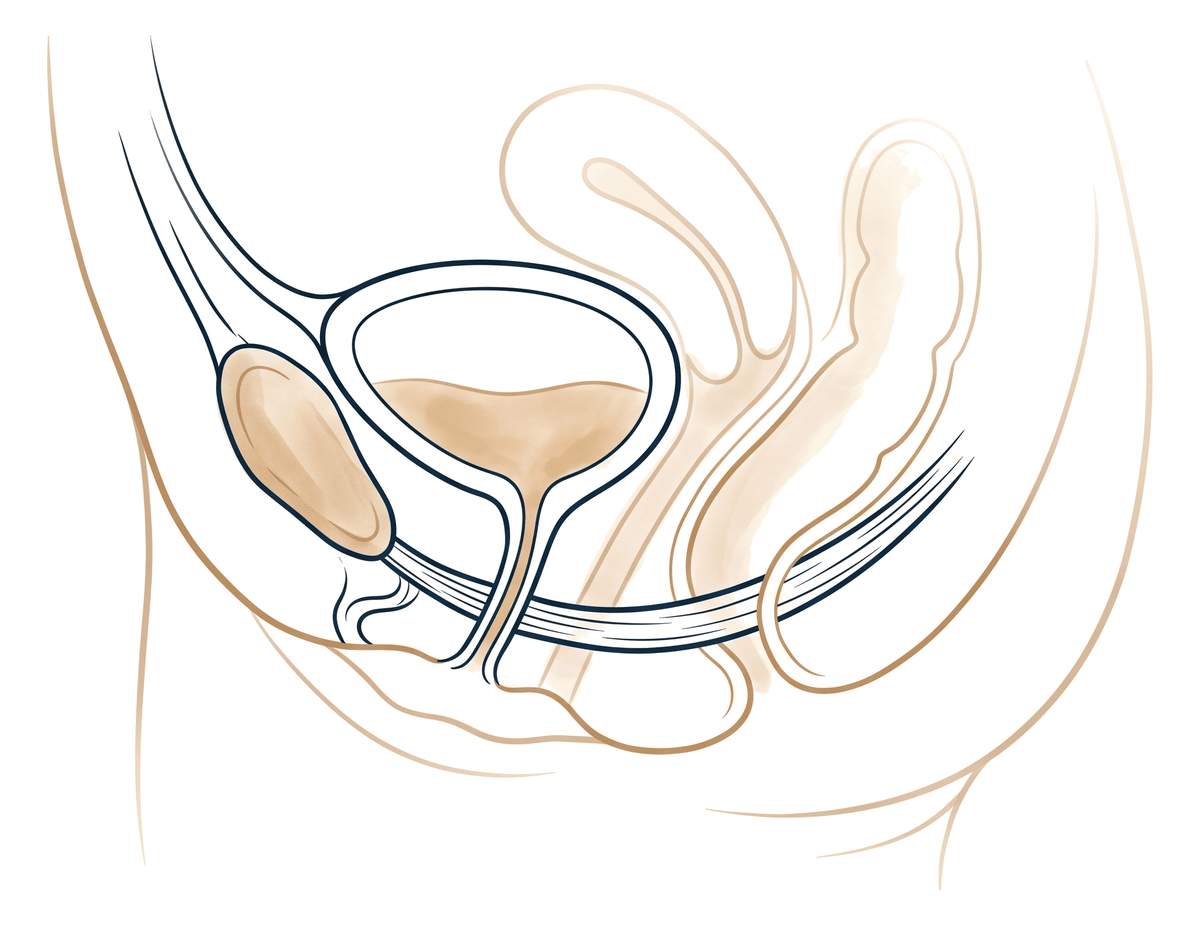
Types of incontinence
- Stress type: Leaking in drops during situations that raise intra-abdominal pressure, such as coughing, sneezing, laughing or lifting. It is the most common type in women.
- Urge type: Not reaching the toilet in time due to a sudden, non-postponable urge to urinate — a symptom of an overactive bladder.
- Mixed type: The presence of both the stress and urge types together.
Why is it more common in women?
Pregnancy and childbirth strain the pelvic floor muscles and the structures that support the urinary tract. The estrogen that decreases with menopause leads to thinning in the tissues. Excess weight, chronic constipation, heavy lifting and age also increase the risk. These factors weaken the mechanism that holds urine, paving the way for leakage.
Urinary incontinence is not an inevitable result of aging or of having given birth. Most women return comfortably to daily life with appropriate treatment.
How is it diagnosed?
Diagnosis is made with the complaints, a voiding diary, examination and a urine test. Determining the type of incontinence is important for treatment; when needed, advanced tests that assess bladder function (urodynamics) are used.
Treatment options
Treatment is planned according to the type of incontinence and in a stepwise manner:
- Pelvic floor (Kegel) exercises: Especially in the stress type, this is the first and effective step; done regularly, it provides marked benefit.
- Bladder training and lifestyle: In the urge type, regulating voiding intervals, weight and fluid management.
- Medication: Drugs that reduce bladder contraction in the urge type and overactive bladder; regional estrogen support after menopause.
- Surgical and advanced methods: Sling operations in the stress type; bladder Botox or nerve stimulation in the resistant urge type.
When should you see a doctor?
If urinary incontinence affects your daily life, social life or sleep, see a urologist. If sudden-onset leakage, blood in the urine, pain or recurrent infection accompanies it, assessment takes priority.