Urinary tract infection (UTI) is also common and important in children. Unlike in adults, especially in infants, the symptoms can be subtle — sometimes the only sign is unexplained fever. Early diagnosis is valuable for protecting the kidneys; and in recurrent infections, an underlying cause should be investigated.
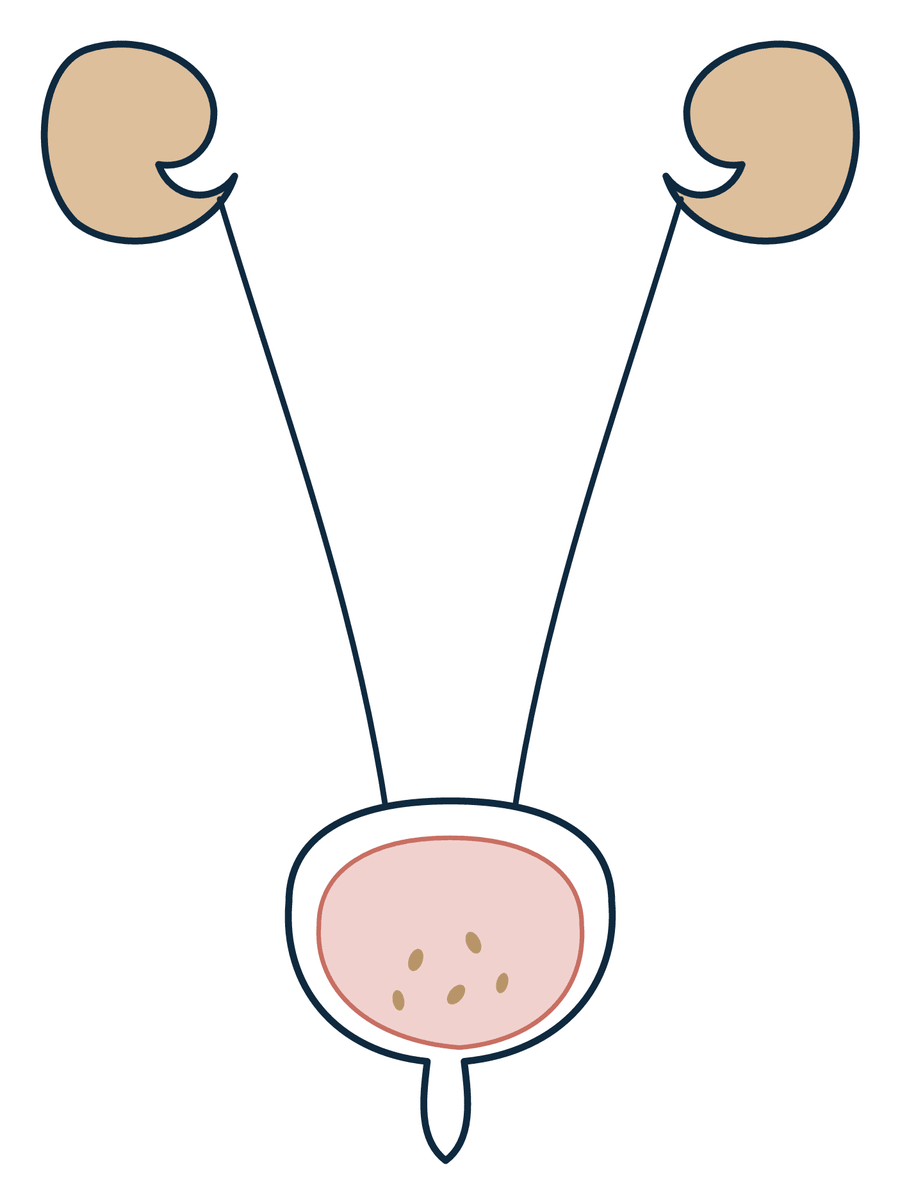
Symptoms vary with age
- In infants: Unexplained fever, restlessness, reduced feeding, vomiting, failure to gain weight.
- In older children: Burning/pain on urination, frequent urination, abdominal or back pain, smell/cloudiness in the urine, renewed bedwetting.
Infections accompanied by fever should be assessed more carefully in terms of kidney involvement.
Why does it matter?
In children, untreated or recurrent urinary tract infections can affect the kidneys. In addition, recurrent infections can sometimes be a sign of an underlying condition (for example, the backflow of urine from the bladder to the kidney — vesicoureteral reflux, VUR). For this reason, UTI in a child should be taken seriously.
UTI in a child requires not only treating the current infection, but also investigating its cause in recurrent cases.
How is it diagnosed?
Diagnosis is made with a properly collected urine test and, when needed, a urine culture. Correct sampling is important, especially in infants. In recurrent or febrile infections, a kidney-bladder ultrasound and, when needed, further investigations (VUR work-up) can be planned.
Treatment
Treatment is done with an antibiotic suitable for the child; the choice of medication and its duration are determined by the physician. Starting treatment in time and completing it is important. Plenty of fluids and resolving constipation play a supportive role.
Prevention
- Adequate fluid intake and a regular toilet habit
- Preventing constipation (closely related to UTI)
- Appropriate hygiene and perineal care
In recurrent infections, a prevention and follow-up plan should be determined together with the physician.