Throughout pregnancy, both hormonal and mechanical changes occur in the urinary tract. For this reason, frequent urination is very common and usually normal. However, urinary tract infections in pregnancy carry special importance; because even when they cause no symptoms, they can pose a risk to both mother and baby.
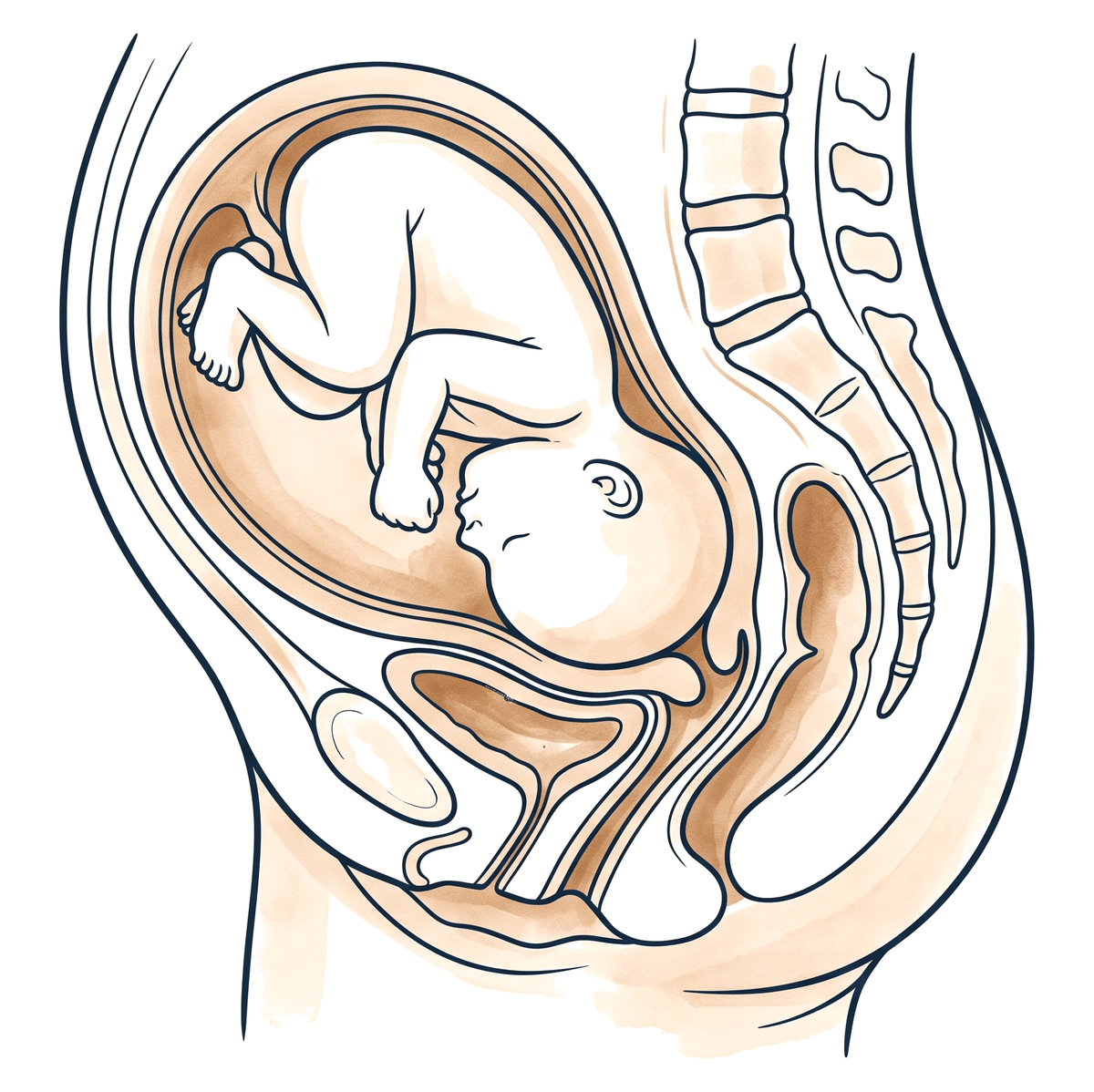
Why is there frequent urination in pregnancy?
Hormonal changes in the early period, and the pressure of the growing uterus on the bladder in later weeks, lead to frequent urination. This is a natural part of pregnancy and, on its own (without burning, pain, urgency), is usually not a cause for concern.
Why does urinary tract infection in pregnancy matter?
In pregnancy, the urinary tract is more prone to infection. An important point is this: some infections cause no symptoms (asymptomatic bacteriuria) but, if untreated, can progress to a kidney infection and pregnancy complications. That is why a urine test is done routinely at pregnancy check-ups.
Urinary tract infection in pregnancy is a condition that must be taken seriously even when it causes no symptoms; this is why routine urine checks are important.
Symptoms to watch for
- Burning or stinging on urination
- The frequent and urgent urge to urinate becoming prominent
- Cloudiness, smell or blood in the urine
- Lower abdominal pain
- Fever, chills, flank/back pain — suggests kidney involvement and requires urgent assessment
Diagnosis and follow-up
Diagnosis is made with a urine test and, when needed, a urine culture. If an infection is detected in pregnancy, it is treated even without symptoms, and a check-up after treatment is recommended.
Treatment: a safe approach in pregnancy
Infection treatment in pregnancy is done with antibiotics considered safe for mother and baby. The choice of medication must always be made by a physician, taking the pregnancy into account; self-medication should not be used. Drinking plenty of fluids and not holding urine are supportive measures.
Prevention
Taking adequate fluids, not holding urine for a long time and not missing pregnancy check-ups reduce the risk of infection. Even without complaints, it is important to have the recommended urine checks.